How To Get Halal Certified in the USA: A Step-by-Step Guide for Businesses
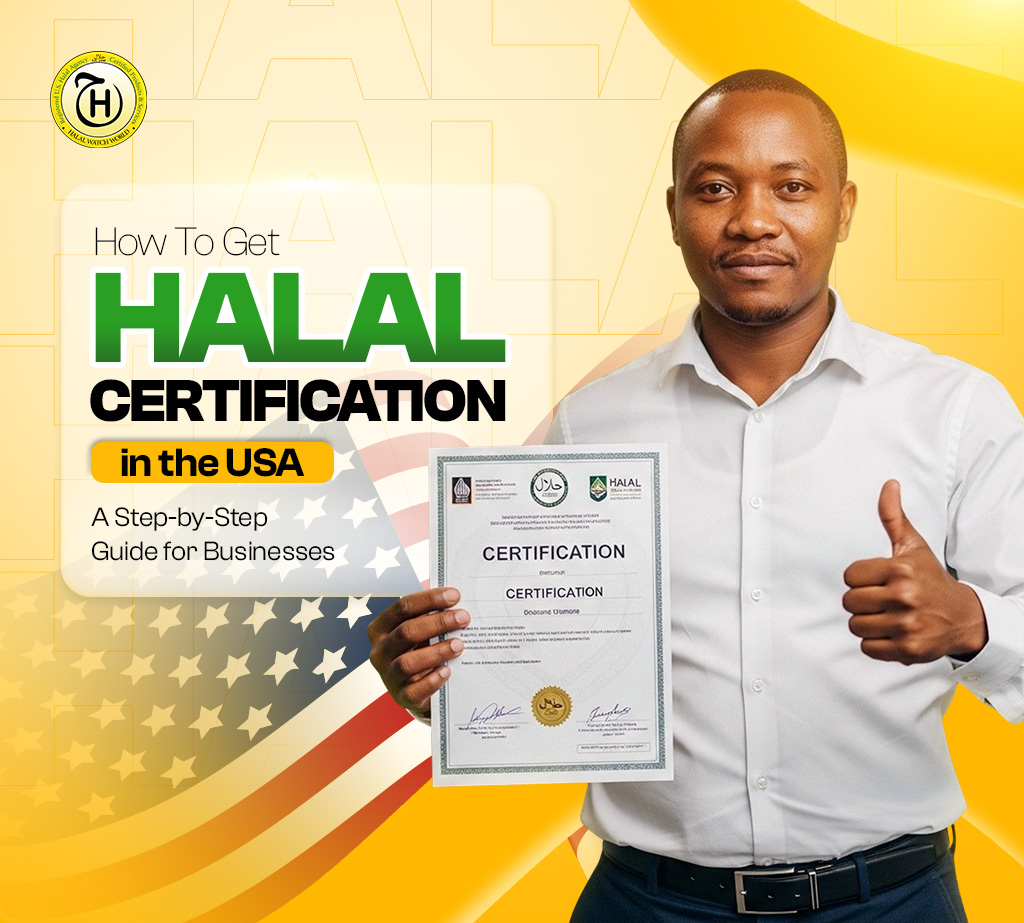
The global halal economy is valued at over $3 trillion annually and is projected to grow to nearly $6 trillion by 2033. In the United States alone, there are over 3.45 million Muslim consumers actively seeking products that align with their faith. Whether you run a food manufacturing facility, a restaurant, or a cosmetics brand, knowing exactly how to get halal certified in the USA is no longer optional — it is a strategic business necessity.
How To Get Halal Certification: A Step-by-Step Process
With proper preparation, most Halal Watch certifications are completed in 2–3 weeks from application to certificate issuance — faster than the 6–8 week industry average — when documentation is organized and submitted promptly.
Step 1: Choose the Right Certification Body
The first step is selecting an accredited organization whose recognition matches your target markets. In the USA, there is no centralized government halal authority, so businesses work with independent third-party bodies. Key factors to consider include:
- International Recognition
Is the body recognized by the sovereign halal authorities of your target export markets? For GCC exports (UAE, Saudi Arabia, Kuwait, Bahrain, Qatar, Oman), the certifier must be recognized by the GCC Accreditation Center (GAC). For Malaysian and Southeast Asian markets, CICOT or JAKIM recognition is required. For South Africa, MJC recognition is needed. Halal Watch is accredited by GAC, recognized by CICOT, and holds mutual recognition with MJC — covering all three major export market zones. View our full international halal accreditations to see which markets each unlocks.
- Industry Expertise
Some organizations specialize in food products while others cover cosmetics, pharmaceuticals, or logistics.
- Timeliness and Support
Choose a body known for clear communication, expert guidance, and an efficient review process.
- Cost Structure
Cost depends on facility size, product range, industry type, required audit scope, typically averaging between $3,000 and $5,000 annually, though every quote is individual.
For a complete overview of halal certification in the USA — including which export markets legally require it and how our accreditations cover them — see our halal certification USA guide before selecting your certifier.
Step 2: Submit Your Application and Supporting Documentation
Once you have selected a body, submit their official application along with all required documentation. Being thorough here can significantly reduce back-and-forth with auditors.
Key Documents You Will Need
- Complete ingredient lists for every product, including sub-ingredients and processing aids
- Supplier halal certificates and declarations for all animal-origin or high-risk ingredients
- Detailed description of your manufacturing process and facility layout
- Sanitation and cleaning procedures for equipment and production lines
- Product formulations and recipes with all components clearly listed
- Business type information: manufacturer, distributor, restaurant, or exporter
The certifying body will review your submission to assess eligibility and identify any potential compliance gaps before proceeding to the next phase.
Step 3: Facility Inspection and Halal Audit
After your documentation passes initial review, a trained auditor will conduct an on-site inspection of your production facility. This is one of the most critical stages, and being well-prepared will make a significant difference to the outcome.
What Auditors Look For During the Inspection
- Verification that all on-site ingredients match those declared in your application
- No cross-contamination between permissible and non-permissible materials, shared equipment without proper cleaning protocols is an audit failure
- Proper segregation and labelling of certified inventory throughout the facility
- Staff training and awareness of correct halal handling requirements
- Cleanliness and hygiene standards across production, storage, and packaging areas
- Equipment cleaning methods and sanitation schedules with documented records
For meat processors, special attention is given to slaughter practices and whether they are performed by trained Muslim personnel using the correct Islamic method. Any gaps found are communicated with required corrective actions before the certificate can be issued.
Step 4: Review, Approval, and Certificate Issuance
Following the on-site audit, findings are reviewed, often by Islamic scholars, to confirm full compliance with halal principles. If your facility and products meet all required standards, an official certificate is issued along with authorization to display the halal logo. This mark is a powerful signal to Muslim consumers and international buyers that your products have passed rigorous independent verification. You may then begin labelling and marketing your products as compliant.
Key Halal Requirements You Must Meet Before Applying
Conducting an internal self-assessment against core halal requirements before you apply will help you identify and fix compliance gaps early, reducing the risk of audit failure.
- Ingredient and Raw Material Compliance
Every ingredient in your product, including additives, colourings, preservatives, emulsifiers, and flavourings, must be verified as permissible. Even trace amounts of haram substances can result in denial. Emulsifiers and flavourings in particular can contain animal byproducts from non-compliant sources. Always request halal declarations from suppliers for any ingredient of animal origin. For plant-based or low-risk materials, detailed documentation and supplier declarations may be sufficient to satisfy the certification body.
- Manufacturing Process and Cross-Contamination Controls
One of the most common reasons food manufacturers fail audits is cross-contamination during production. Using shared equipment for both permissible and non-permissible products without a validated cleaning protocol is an automatic failure. Businesses must either dedicate separate equipment to compliant production or implement rigorously documented cleaning procedures between production runs. Full traceability must be maintained from raw material sourcing through to final packaging to satisfy halal compliance requirements.
- Staff Training and Halal Awareness
Compliance is not just a technical requirement, it demands a culture of awareness throughout your organization. Production staff, quality assurance teams, and procurement personnel all need to understand correct handling practices and their role in maintaining standards. Many certification bodies offer training as part of their support services. Investing in staff education before your audit will demonstrate to the inspector that your organization treats these standards seriously, which reflects positively on the overall review.
Maintaining Halal Compliance After Certification
Receiving your certificate is not the end of the journey, it is the start of an ongoing commitment. Bodies require continuous adherence to halal standards between audits, not just during inspection periods.
- Annual Renewal and Ongoing Audits
Most certificates are valid for one year and require annual renewal through a repeat audit. Periodic unannounced inspections may also occur. Businesses must maintain their documentation, processes, and ingredient sourcing consistently throughout the year. Any changes to ingredients, suppliers, the manufacturing process, or facility layout must be reported to the certifying body promptly, failure to do so can result in suspension of your halal certified status.
- Keeping Records and Ingredient Transparency
Robust record-keeping underpins long-term halal compliance. This means maintaining up-to-date supplier certificates, production batch records that trace every ingredient used, cleaning logs for shared equipment, and staff training records. Businesses that already operate strong traceability systems will find it considerably easier to stay compliant. The more organized and transparent your documentation, the smoother every subsequent audit will be.
- Accessing Export Markets With Your Certificate
Once certified, your business can actively pursue export markets that require formal proof of compliance as a condition of import. Countries such as Malaysia, Indonesia, Saudi Arabia, and the UAE require a valid certificate from a recognized body.
Your certifying organization can advise on exactly which markets accept their credential. Many businesses use their status to access local retailers serving Muslim-majority communities, while others target international buyers seeking premium, ethically sourced food products. In both cases, the halal label drives purchasing decisions and builds long-term consumer trust.
Common Mistakes to Avoid During the Process
Many businesses lose time and money due to avoidable errors. Here are the most common pitfalls and how to prevent them.
- Incomplete or Inaccurate Documentation
The most frequent cause of delays is incomplete paperwork. Expired supplier certificates, missing ingredient declarations, or omitted sub-ingredient information will all trigger requests for additional information. Before submitting, conduct a thorough internal audit of every document. Ensure all supplier halal certificates are current, all ingredients are accounted for, and your manufacturing process description is accurate and complete.
- Ignoring Cross-Contamination Risks
Shared production lines, storage areas, or transportation equipment used for both compliant and non-compliant products create contamination risks even when your primary ingredients are fully permissible. Before your facility inspection, map your entire production flow and identify every point where permissible and non-permissible materials intersect. Implement physical separation where possible, or establish and document validated cleaning procedures.
- Using the Logo Before the Certificate Is Issued
Never label products as halal certified or display a logo before the official certificate has been issued. Doing so exposes your business to consumer protection enforcement, loss of buyer contracts, and serious reputational damage in the Muslim consumer market. Wait until you hold the official documentation before making any halal claims on packaging, marketing materials, or export paperwork.
- Failing to Notify Your Certifier of Changes
Changing ingredients or suppliers without informing your certifying body is a common post-approval mistake. Even a minor update, such as switching to a new flavouring supplier, can invalidate your standing if the change has not been reviewed. Always communicate planned changes to your certifier before implementing them and obtain written confirmation that the updated formulation remains fully compliant.
Final Thoughts
Getting halal certified is one of the most impactful steps a food business can take to build consumer trust, expand into export markets, and meet the growing demand of Muslim consumers worldwide. With the right preparation, a reliable certifying body, and a commitment to ongoing halal compliance, the process is straightforward and the business rewards are substantial.
Halal Watch has guided businesses through the halal certification process since 1985, under the scholarly supervision of Imam Mansoor Rafiq Umar. Our internationally accredited certificates — recognized by GAC, CICOT, and MJC — are accepted in 190+ regulated halal import markets. Start your free needs assessment and receive an itemized proposal within 24 hours. See our certification process for the full timeline and what to expect at each stage.
Discover if your ingredients, processes, and facilities align with Islamic dietary laws.
Start your Free Halal Compliance Check now — no obligation!