

USA Halal Certification Cost & Pricing Guide

Halal certification in the USA ensures your products meet Shariah compliance and Islamic dietary law standards. Understanding halal certification pricing helps businesses plan for compliance while accessing the growing halal consumer market. The cost of halal certification depends on product complexity, facility size, and audit requirements, with most U.S. operations ranging from $3,000 to $70,000 USD.


To receive an accurate estimate tailored to your products and processes, complete our Needs Assessment Questionnaire by clicking the button below or explore our halal certification services for guidance.

cost Models

Static (Fixed Fee)

A set annual fee based on services rendered. Best suited for non-meat producers, restaurants, and grocers.

Poundage-Based

Fee calculated on volume of product sold by weight. Applied to high-risk slaughterhouses and meat processing facilities.
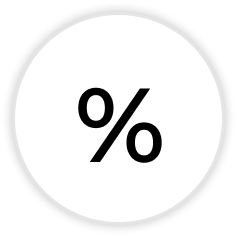
Percentage of Sales

A fixed percentage of annual product revenue. Designed for large multi-location manufacturing operations.

Mixed / Hybrid

A tailored combination of the above models for businesses with diverse product lines or facilities.
Not sure which pricing model fits your business? Our team will guide you through a halal compliance needs assessment and provide a transparent, itemized Shariah-compliant certification quote based on your facility, product range, and compliance goals.

What Factors Determine Your Halal Certification Fee?

Halal certification fees reflect the actual work required to verify and maintain compliance. The following factors influence where your business falls within our pricing structure: 

  • Facility size and complexity — A 1,000 sq ft restaurant requires different audit resources than a 100,000 sq ft cosmetics manufacturer.
  • Number of products and SKUs — More products mean more ingredient verification, cross-contamination control review, and documentation.
  • Supply chain depth — Businesses with complex or international supply chains require more thorough traceability reviews and supplier verification to meet halal certification requirements.
  • Risk category — Meat and poultry processing carries higher Shariah compliance risk and requires more intensive halal audit involvement, including on-site inspections.
  • Number of facility locations — Multi-site operations are assessed per location, though bundled arrangements may apply.
  • Frequency of audits and inspections — Some facilities require more frequent halal inspection visits based on their product category and compliance history. The overall halal audit cost depends on facility size, product complexity, and the number of inspections required.
  • Non-conformities identified — If a previous audit revealed non-conformities, remediation follow-up may add to the overall compliance cost.
  • International halal recognition requirements — Businesses seeking export eligibility to markets such as the GCC, Malaysia, or Indonesia may require additional accreditation layers. 

Understanding these variables is why we do not publish a single flat rate. A number that fits one client may be financially unfair to another. Our goal is a pricing structure that reflects your actual compliance scope, nothing more, nothing less.

What Your Halal Certification Fee Covers

Halal certification is an ongoing relationship, not a one-time stamp of approval. When you work with Halal Watch World, your certification fee includes the halal inspection fee, ingredient verification, and ongoing monitoring to ensure compliance.

  • Initial facility inspection — Our halal certification process includes a thorough on-site or document review of your operation to confirm compliance with Islamic dietary law.
  • Ingredient and raw material verification — Every ingredient is evaluated for halal status, including additives, processing aids, and contact surfaces.
  • Cross-contamination control review — Shared equipment, production lines, and storage areas are assessed for risk of haram contamination.
  • Supply chain verification — Key suppliers and raw material sources are reviewed to support end-to-end traceability requirements.
  • Ongoing monitoring and surveillance audits — Compliance does not end at certification. Periodic reviews maintain certificate integrity throughout the validity period.
  • Certificate issuance — Official documentation recognized by domestic retailers, distributors, and where applicable, international halal bodies.
  • Access to certification specialists — Direct access to our team for compliance questions, label guidance, and product change notifications.

The Business Case for Halal Certification

Halal certification is not merely a compliance expense; it is an investment in market access. The worldwide halal consumer market comprises over 2 billion Muslim consumers, with a notable and expanding segment in the United States.

Certified businesses gain retail distribution approval from major chains, halal-specific retailers, and foodservice operators that require verified halal credentials. Certification also opens pathways to export eligibility in high-demand international markets, with Halal Watch World’s international halal accreditation and recognition accepted by accredited bodies worldwide.

When weighed against the revenue potential of halal-conscious consumers and the business relationships that certification unlocks, the USA halal certification cost represents a measurable return on investment for most companies.